How geothermal ground loops work
A loop of pipe in the ground feeds a heat pump, and the ground temperature does most of the work.
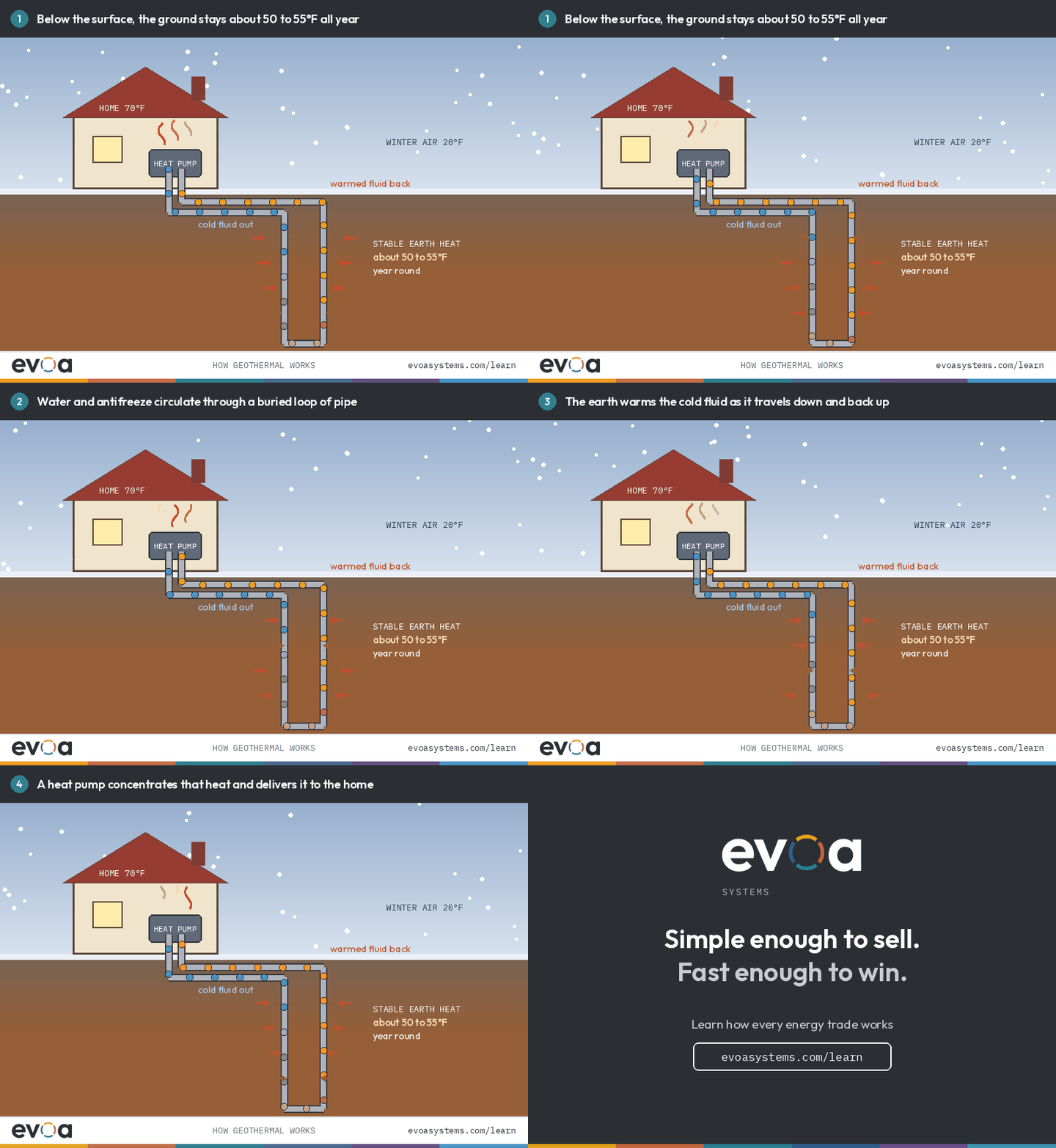
Steps in this animation
- 1. Ground loop. A closed loop of pipe carries fluid through the ground. The fluid takes heat from the ground in winter and gives heat back in summer.
- 2. Bores. Vertical bores reach steady ground temperature, so the loop keeps working through the coldest and hottest weeks.
- 3. Heat pump. The heat pump moves heat between the loop fluid and the building, so it does not burn fuel to make heat.
- 4. Distribution. The building gets its heat or cooling through the same ducts, radiators or radiant floor the job already has.
A geothermal system uses the ground as a steady source of heat in winter and a place to reject heat in summer. It starts with a loop of pipe buried near or under the building.
How it works
A closed loop of pipe carries fluid through the ground. In winter the fluid takes heat from the ground and carries it back to the heat pump inside the building. In summer the loop runs the other way and puts heat from the building back into the ground.
Vertical bores are drilled when there is not enough land for a horizontal loop. Deeper ground holds a steadier temperature than the air above it, which is why the loop keeps working through the coldest and hottest weeks of the year. The heat pump is sized against the building load, and the loop is sized against the heat pump.
Key terms
- Bore is a drilled hole that holds part of the loop.
- Ground loop is the pipe that moves fluid between the building and the ground.
- Ground temperature is the steady temperature a few feet below the surface.
- Heat pump moves heat between the loop fluid and the building.
Where it fits in a project
Geothermal comes after the envelope and the load calculation, since the load decides both the heat pump and the loop. Drilling is a large share of the cost, so the design is usually compared against air source equipment on the same job before the proposal goes out.
Filed under Geothermal explainers in the Learn hub.
Questions
Designing this for a client? Evoa Systems puts every trade in one proposal.
Get early accessRelated explainers
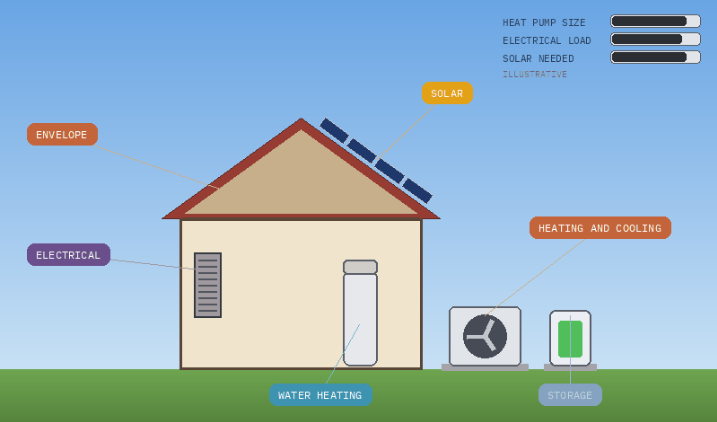
The chain reaction: how one change ripples through every trade
On a real project the trades depend on each other, so one design change resizes everything after it.
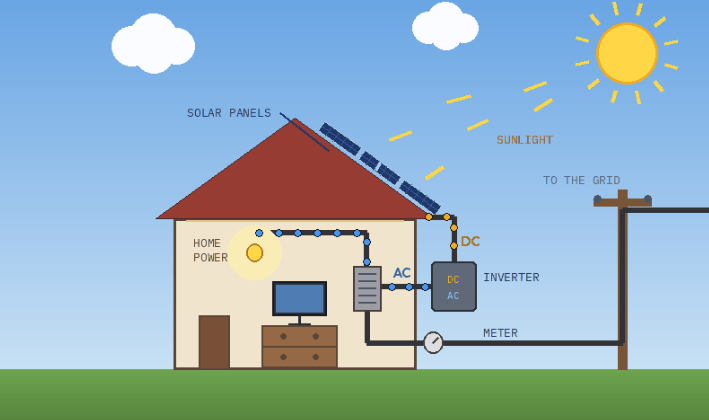
How solar works on a project
How sunlight becomes usable electricity on a real job, and what decides the size of an array.
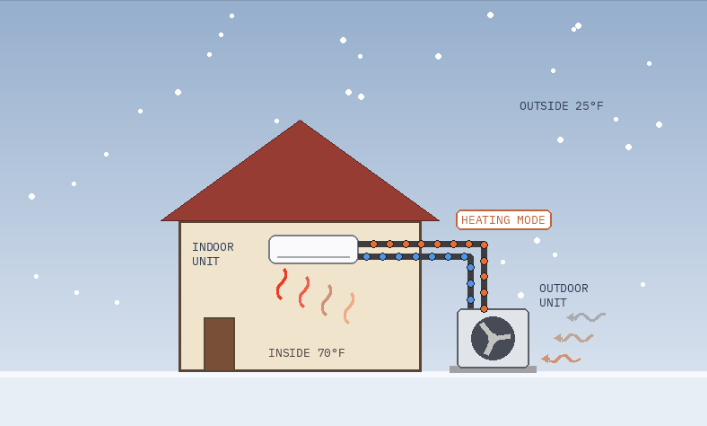
How a heat pump heats and cools a home
A heat pump moves heat instead of making it, pulling heat from outdoor air in winter and pushing it outside in summer.