How heat pump water heaters work
A heat pump water heater moves heat from the air around it into the tank instead of making heat with a burner.
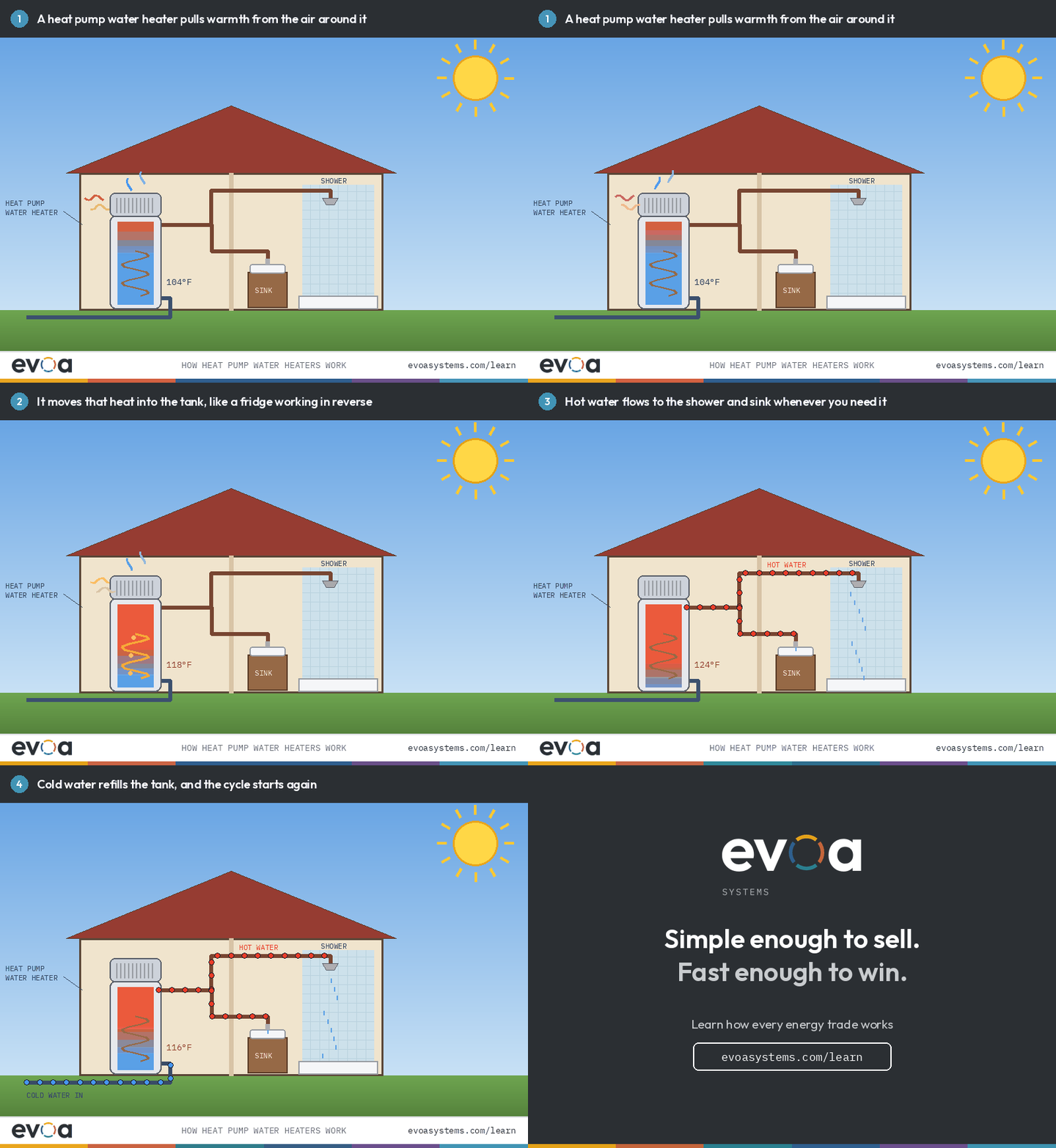
Water heating runs every day of the year, which is why it shows up so clearly in the running cost. A heat pump water heater changes that cost by moving heat instead of burning fuel to make it.
How it works
The unit pulls warmth out of the air around it and moves that heat into the tank. A small compressor and a fan sit on top of the tank. The air leaving the unit is cooler and drier, which is also why it can pull humidity out of a basement.
Because it moves heat instead of making it, the unit uses far less electricity than a standard electric resistance tank. Recovery is slower, so the tank size and the household demand are matched in the design.
Key terms
- First hour rating is how much hot water the tank can supply in the busiest hour.
- Coefficient of performance is how much heat the unit moves per unit of electricity.
- Recovery time is how long the tank takes to heat back up.
- Condensate is the water the unit pulls out of the air, which needs a drain path.
Where it fits in a project
Water heating connects three trades. It needs electrical capacity for the compressor, a place for condensate to drain, and enough space around the tank for air to move. It also changes the load a heat pump and a solar array are sized against, so it belongs in the same proposal as the rest of the project.
Filed under Water Heating explainers in the Learn hub.
Questions
Designing this for a client? Evoa Systems puts every trade in one proposal.
Get early accessRelated explainers
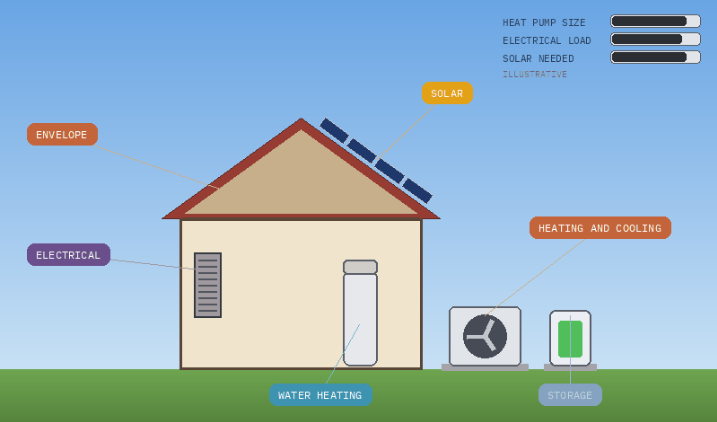
The chain reaction: how one change ripples through every trade
On a real project the trades depend on each other, so one design change resizes everything after it.
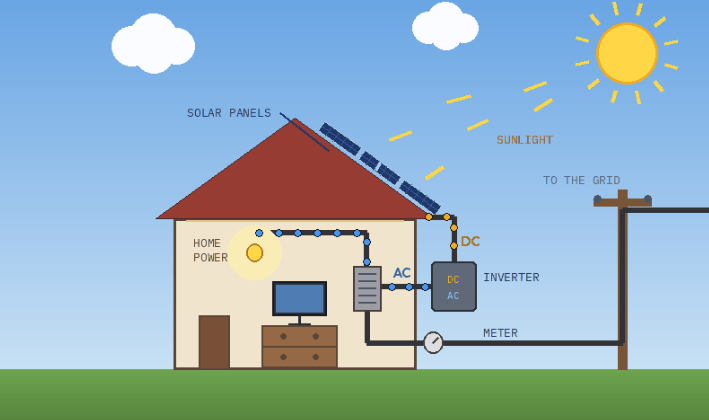
How solar works on a project
How sunlight becomes usable electricity on a real job, and what decides the size of an array.
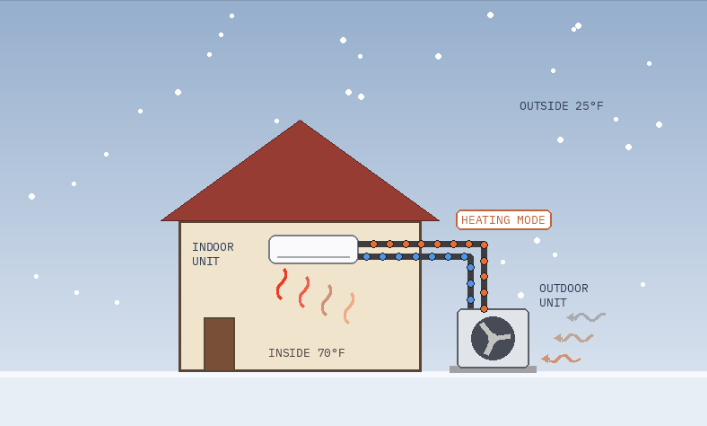
How a heat pump heats and cools a home
A heat pump moves heat instead of making it, pulling heat from outdoor air in winter and pushing it outside in summer.