How home electrical service works
Power comes in from the grid through the meter to the main panel, and the panel decides what a project can add.
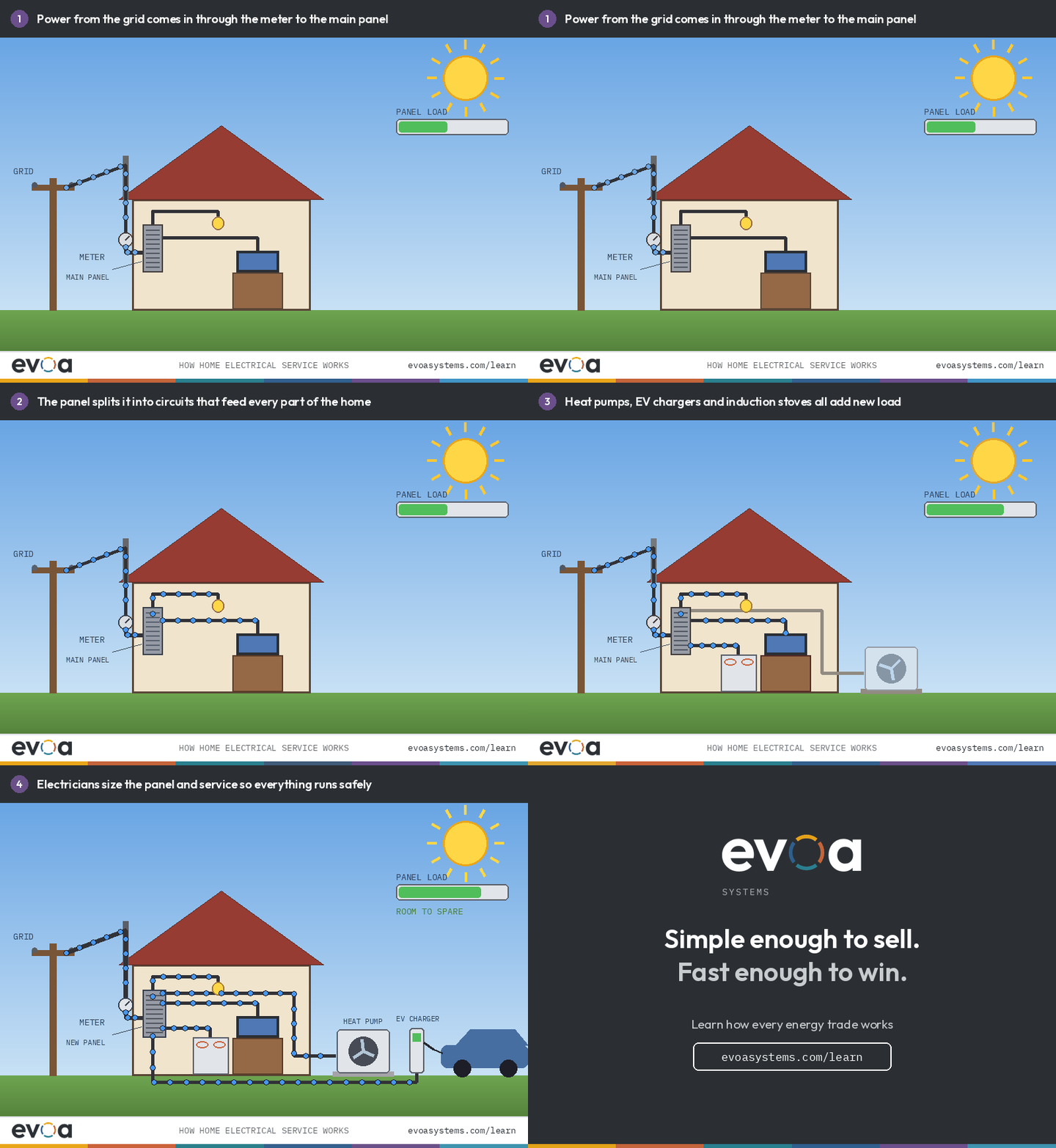
Every energy upgrade eventually connects to the electrical service. Solar, a battery, a heat pump and a water heater all draw from the same panel, so the service is often what decides how much a project can add.
How it works
Power from the grid comes in through the meter and lands on the main panel. The meter measures what the house uses. The panel splits that power into branch circuits that feed the lights, outlets and equipment.
The panel has a limit. Each circuit has a breaker that protects the wire, and the service has a total capacity. When a new load is added, the design checks whether the existing service can carry it or whether the service needs an upgrade.
Key terms
- Service size is the total power the house can draw, measured in amps.
- Main panel is the box that splits incoming power into circuits.
- Load calculation adds up what the house needs at one time.
- Subpanel is a second panel that carries part of the load.
Where it fits in a project
Electrical is usually the first trade that has to agree with the rest. A heat pump, a water heater or a battery each add load, and the answer is either spare capacity in the panel or a service upgrade. That answer changes the cost of the project, so it belongs in the proposal next to the equipment.
Filed under Electrical explainers in the Learn hub.
Questions
Designing this for a client? Evoa Systems puts every trade in one proposal.
Get early accessRelated explainers
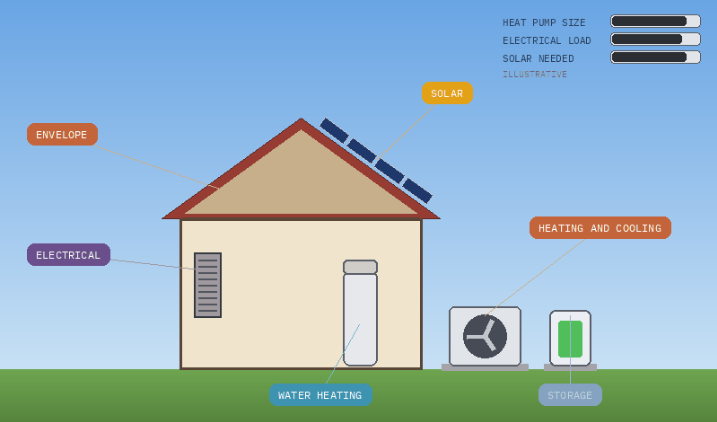
The chain reaction: how one change ripples through every trade
On a real project the trades depend on each other, so one design change resizes everything after it.
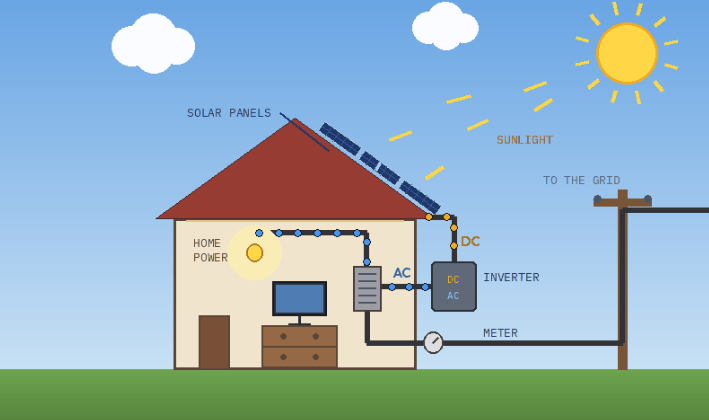
How solar works on a project
How sunlight becomes usable electricity on a real job, and what decides the size of an array.
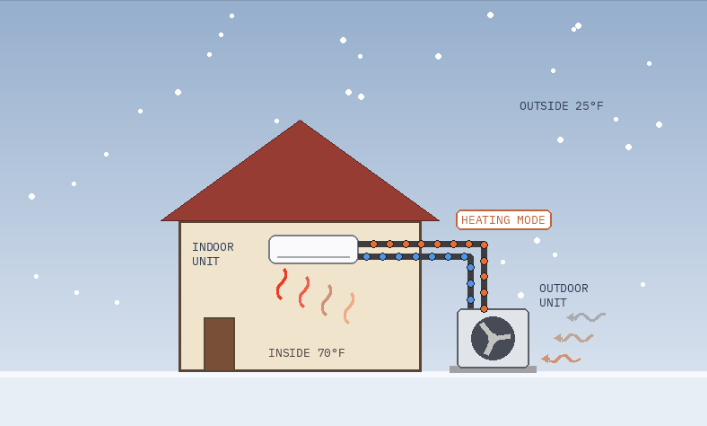
How a heat pump heats and cools a home
A heat pump moves heat instead of making it, pulling heat from outdoor air in winter and pushing it outside in summer.