Where a house loses heat
Heat escapes through the attic, walls, windows and air leaks, and sealing those paths shrinks every system that follows.
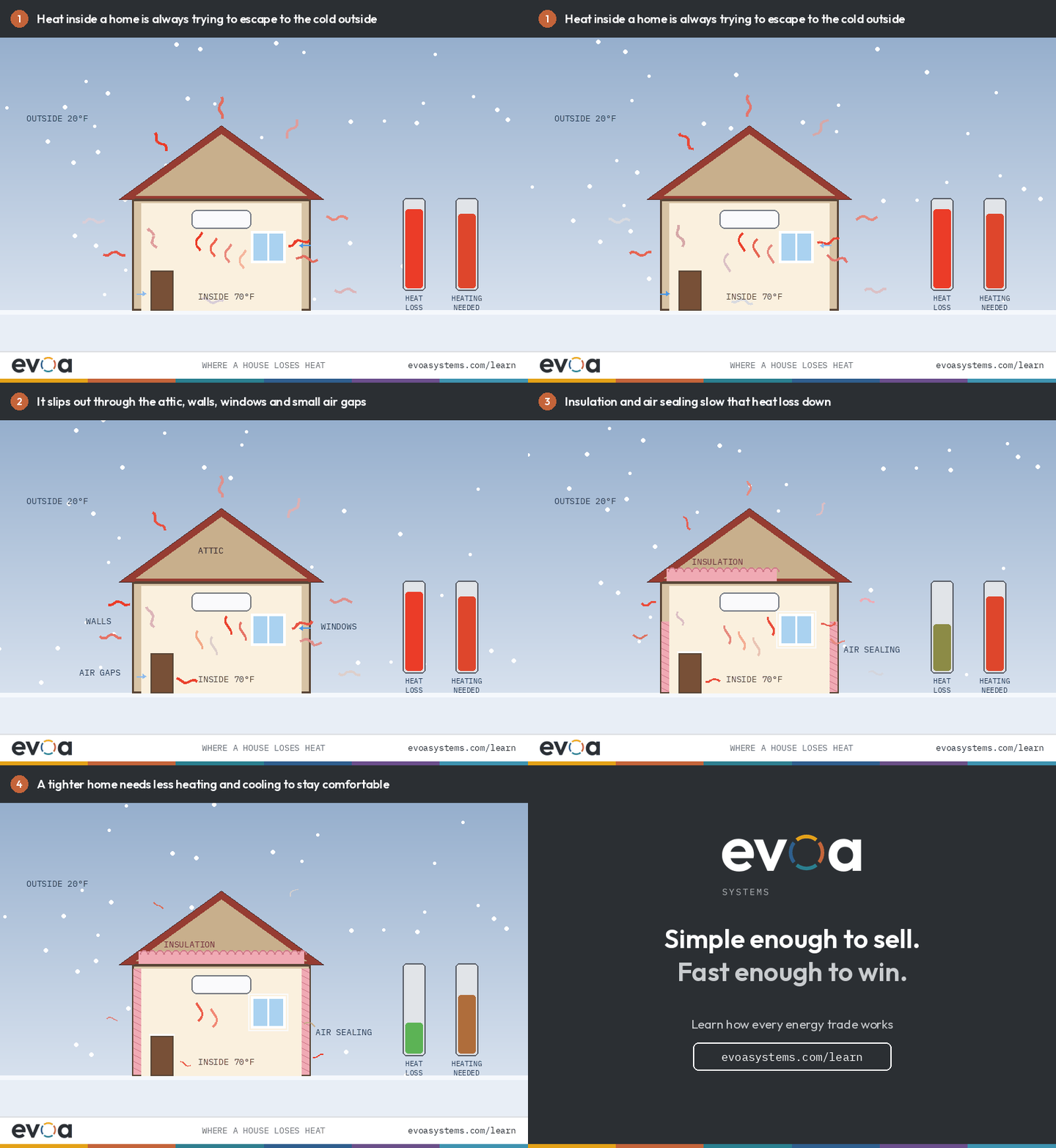
Steps in this animation
- 1. A house in winter. Heat always moves from warm to cold, so it leaves through the roof, the walls, the windows and every gap. Longer arrows mean more heat lost.
- 2. The attic. Warm air rises. A thin layer of insulation on the attic floor lets heat pass through the ceiling and out the roof.
- 3. Walls and windows. Insulation inside a wall slows heat moving through it. Glass is a much weaker barrier than a well insulated wall.
- 4. Air leaks. Air escapes where the foundation meets the framing, around the rim joist and around pipes and wires. Warm air pushes out high while cold air is drawn in low.
- 5. Insulation and air sealing. Add insulation and seal the gaps and the arrows shrink. The house holds its heat longer and the equipment inside has less work to do.
Heat always moves from warm to cold. In winter that means heat leaves a house through the roof, the walls, the windows and every gap it can find. The envelope is everything that separates the inside from the outside, and it decides how much heat escapes.
How it works
Start with a cutaway of a house on a cold day. Arrows show where heat is leaving. The longest arrows show the biggest losses and the shortest arrows show the smallest.
The attic is usually the largest path. Warm air rises, and a thin layer of insulation on the attic floor lets heat pass through the ceiling and out the roof.
Walls and windows come next. Insulation inside a wall slows heat moving through it, and glass is a much weaker barrier than a well insulated wall. Old single pane glass loses heat faster than a modern double pane unit.
Then there are the air leaks. Air escapes through gaps that are easy to miss, such as where the foundation meets the framing, around the rim joist, and around the pipes and wires that pass through the shell. Because warm air rises, it pushes out through the top of the house and pulls cold air in at the bottom. That movement is the stack effect, and it can move more air than a small open window.
Add insulation and seal the leaks and the picture changes. The arrows shrink, the house holds its heat longer, and the equipment inside has less work to do.
Key terms
Envelope: the shell of the building, meaning the roof, walls, floors, windows and doors.
R value: a measure of how well a material resists the flow of heat. Higher means slower.
Air sealing: closing the gaps that let air move through the shell.
Rim joist: the framing at the edge of a floor where it meets the foundation, a common place for leaks.
Stack effect: warm air rising and escaping high while cold air is drawn in low.
Blower door test: a test that measures how much air leaks out of a house.
Energy audit: a review of a home that finds where heat is lost and what to fix first.
Where it fits in a project
The envelope is the first step, because it changes the load that every other trade works from. Seal and insulate, and the heating and cooling equipment can be smaller. Smaller equipment needs less electrical capacity, and a smaller load means a smaller solar array or battery. Doing the envelope work first also keeps you from buying equipment to cover heat that is escaping through the roof.
Filed under Envelope explainers in the Learn hub.
Questions
Designing this for a client? Evoa Systems puts every trade in one proposal.
Get early accessRelated explainers
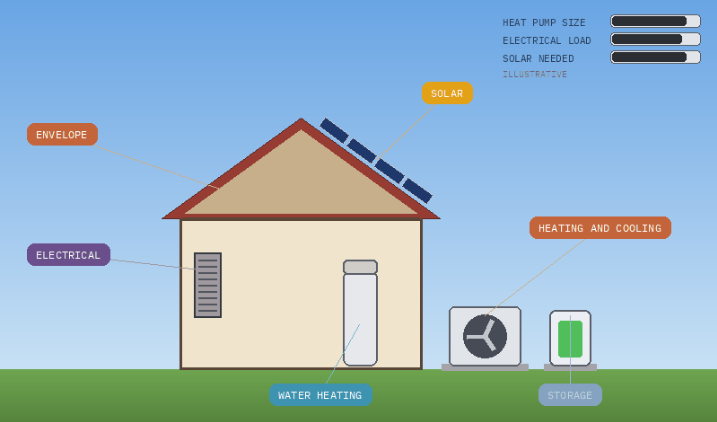
The chain reaction: how one change ripples through every trade
On a real project the trades depend on each other, so one design change resizes everything after it.
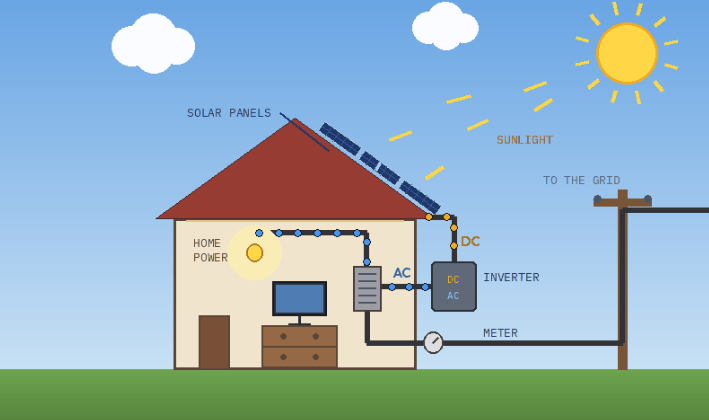
How solar works on a project
How sunlight becomes usable electricity on a real job, and what decides the size of an array.
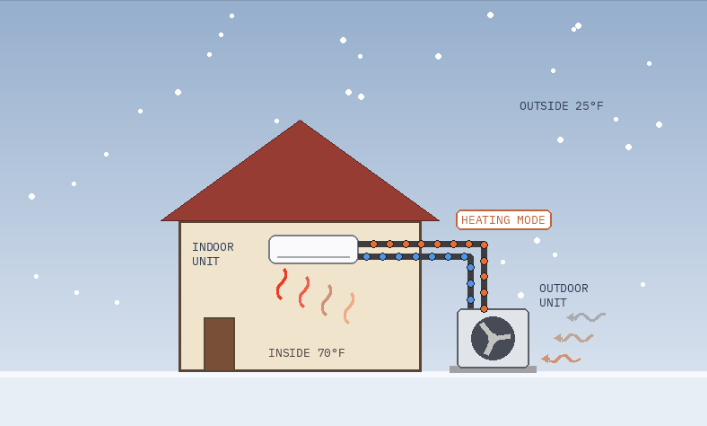
How a heat pump heats and cools a home
A heat pump moves heat instead of making it, pulling heat from outdoor air in winter and pushing it outside in summer.